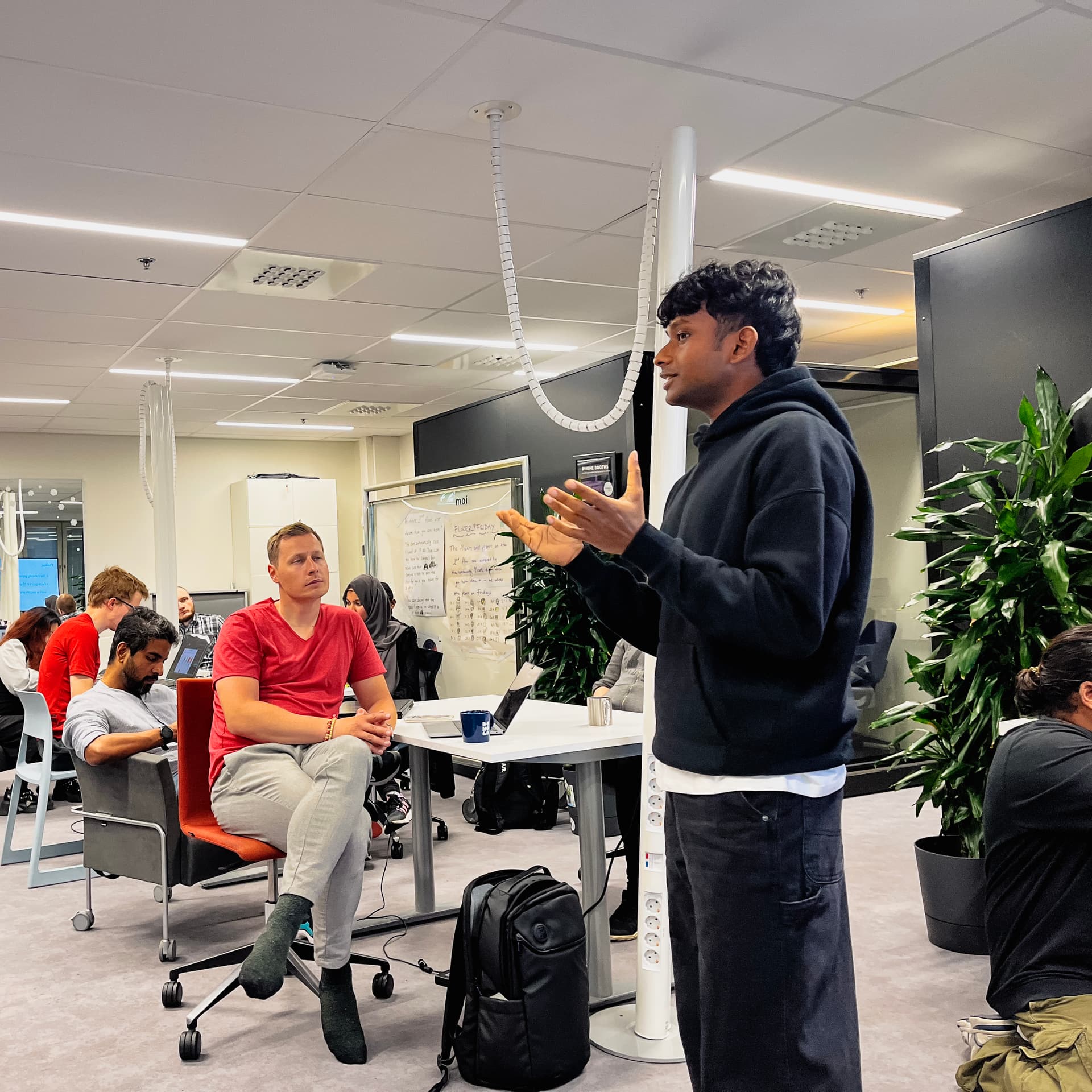
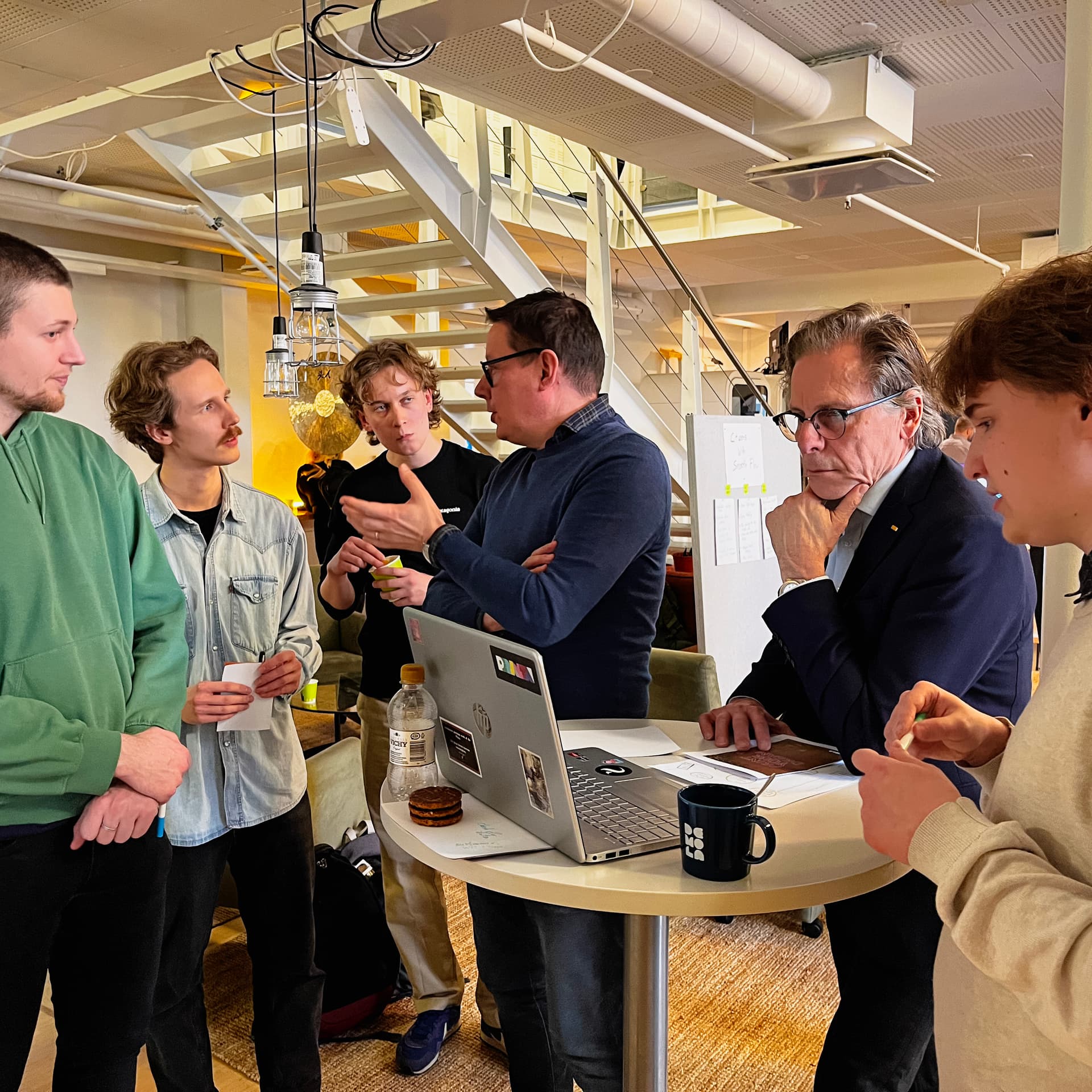
Practical experience
Landing a job takes more than talent, it takes action. Demola gives you the chance to tackle real challenges, collaborate with others, and build proof of what you can do even when things are uncertain. By actively participating in a Demola project, you can turn your skills into competencies and concrete experience.
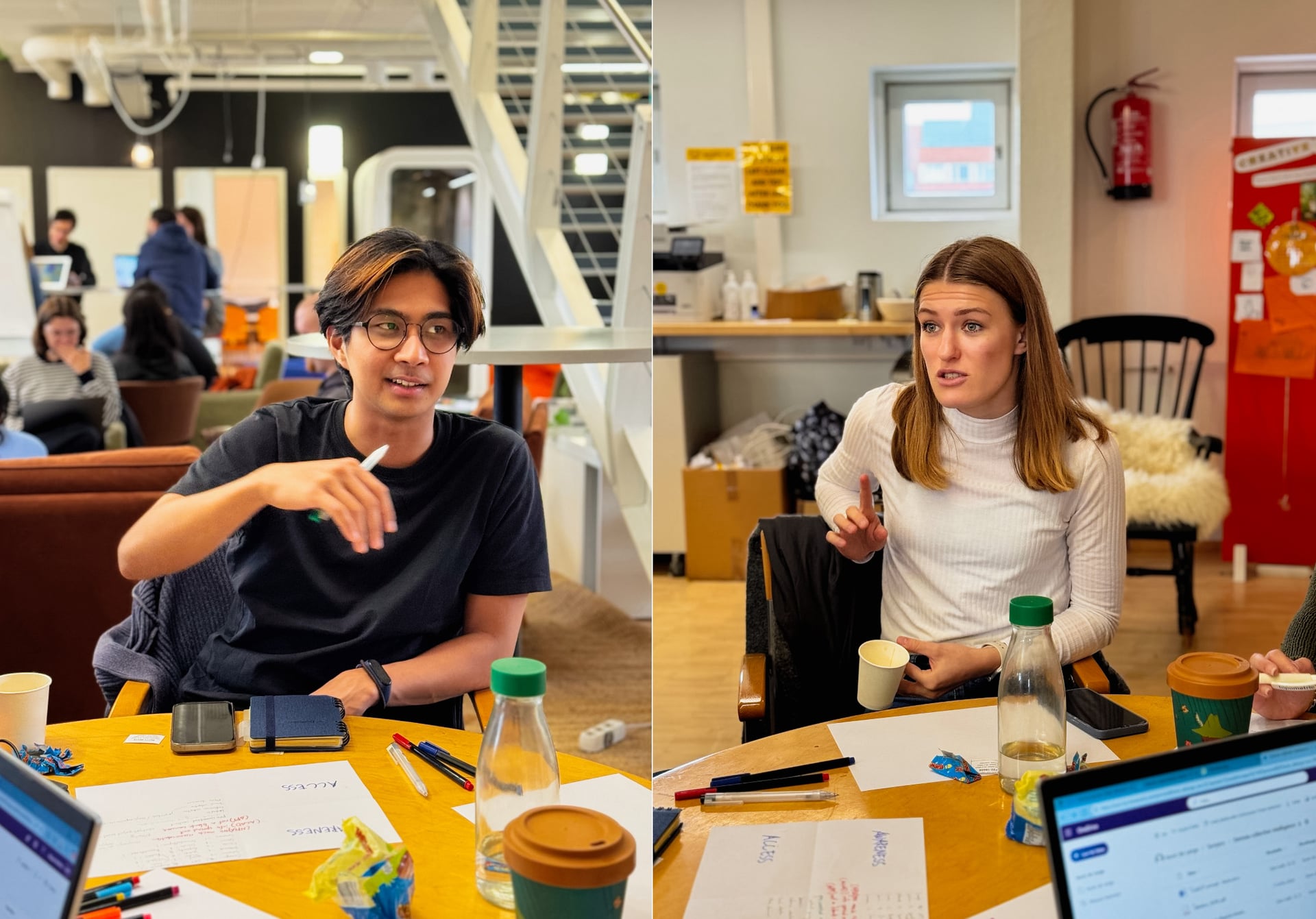
Partnered with Innovative Companies





Our platform, created together with leading companies and professors, connects you to real-world innovation projects. You’ll work as part of a team on an innovation and development project, guided by Demola’s expert facilitators. Participating in a project will give you practical experience and the confidence to deal with complexity in any job.
At Demola, innovation projects are built around real-world project topics co-designed with companies and public-sector organisations. If selected, you'll join an innovation team working to develop meaningful solutions that respond to validated needs.
Our projects tackle complex, relevant problems grounded in industry and societal needs. You'll work in a team to design and demo solutions, benefiting from the insights and findings of previous Demola projects. Most Demola projects last around two months, but the exact duration depends on the programme they are part of.
Each team benefits from expert guidance through coaching sessions and facilitated community events. Demola's facilitators bring years of experience in innovation and adapt their support to match your ambition and commitment. You are expected to take an active role, both individually and as a team.
You'll co-create with other teams and Demola's experts, and validate and test your solutions with real stakeholders to continuously refine your approach. High-performing teams gain access to a network of professionals from Demola's industry partners for further input and exposure.
You'll build in-demand, career-ready skills in creative problem-solving, AI-assisted innovation, project management, international collaboration, and resilience - all while working in an environment that mirrors real innovation practices.
Your team owns the outcomes created during the project. Use them in job interviews, your portfolio, a Master's thesis, or even as the foundation of a startup. In some cases, your work may also earn you academic credit (ECTS) if you are a student.
The impact
Ready to turn your skills into competence? Our claims are backed by feedback from our community of participants and alumni.
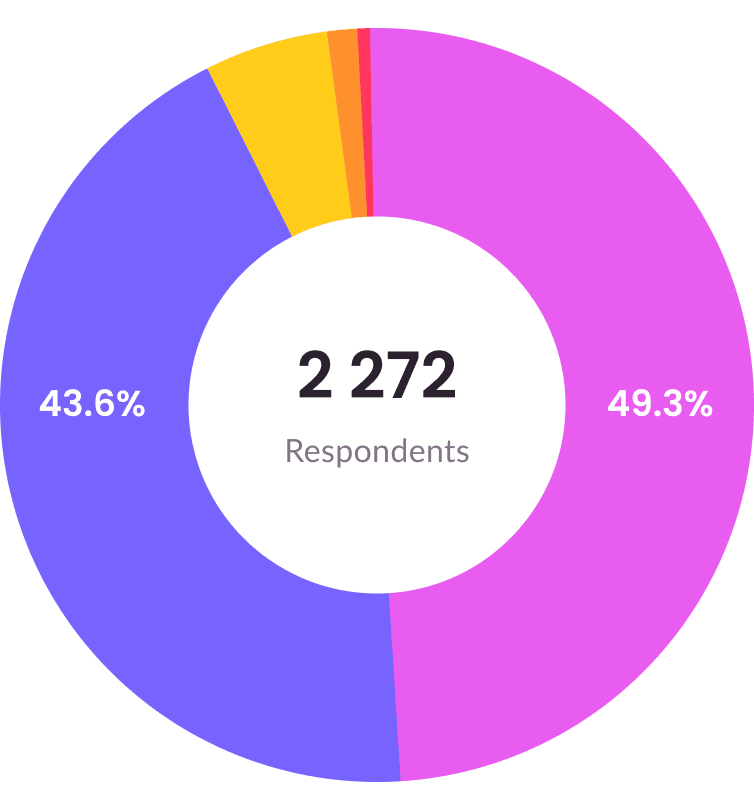
Strongly agree (49.3%)
Agree (43.6%)
Neither agree or disagree (5.3%)
Disagree (1.3%)
Strongly disagree (0.5%)
2 272 people took part in the survey.
New skills
65.6%
Valuable work experience
63.9%
New friends
51.5%
Startup ideas
34.4%
International teamwork experience
30.5%
Industry contacts
23.9%
Self-esteem
23.9%
New motivation to study
22.8%
Confidence in career choices
20.3%
Researcher contacts
17.6%
Better position in the labor market
13.5%
Other
1.5%
Based on Q4/2022 survey
If you’re currently studying at or near one of our Demola locations or partner universities, you’re welcome to join a Demola project.
In our partner cities, the projects are also open to graduates and professionals who are exploring new career paths or interested in co-creating and launching startups in the future.
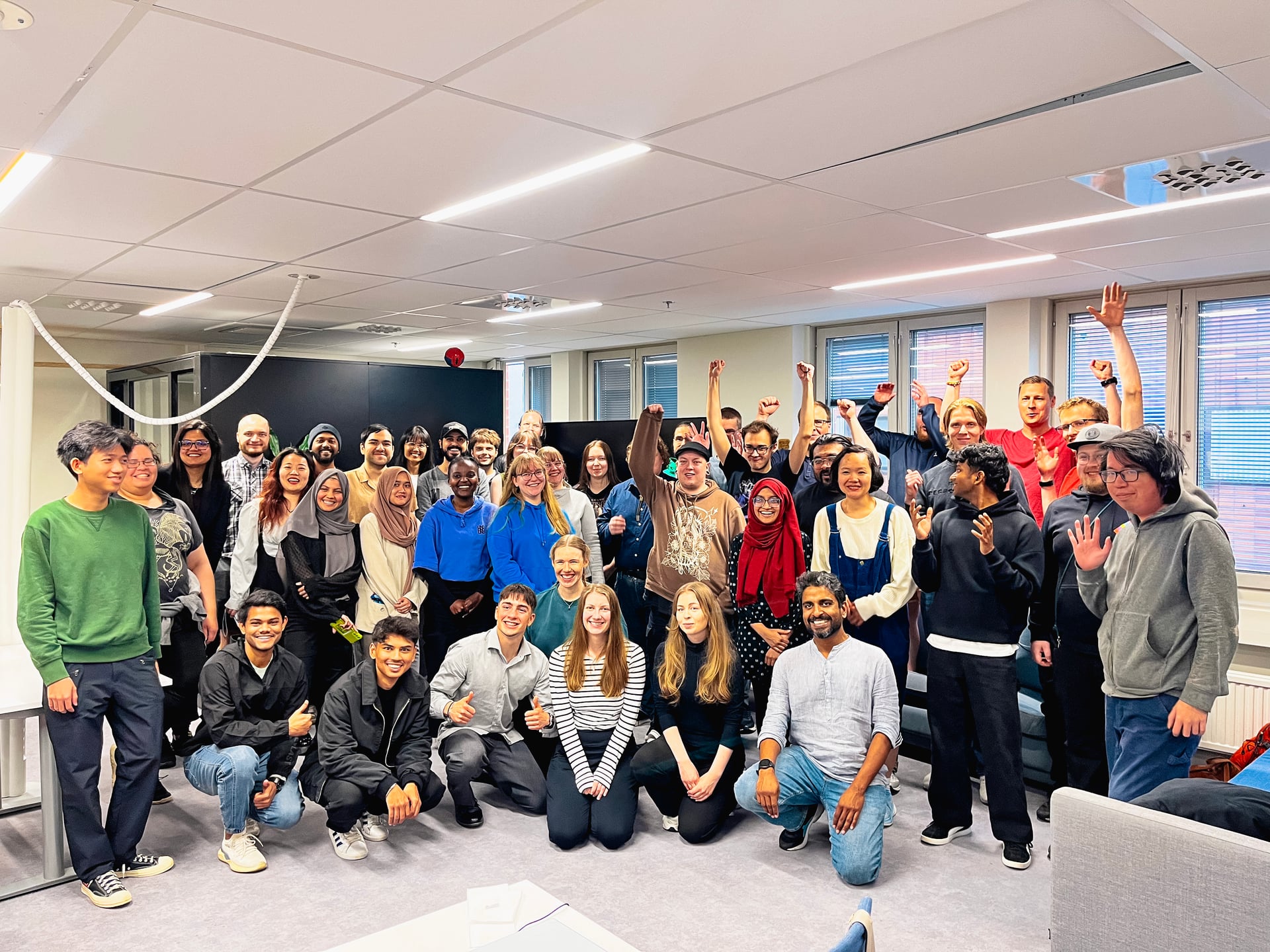
Many alumni have participated in more than one Demola project – the current record is seven. For active alumni, we facilitate further development in their academic studies or future careers:
Explore or fine-tune your Master’s thesis topic through a Demola project and find a potential industry collaborator for your Master’s thesis after the project.
Develop an expert profile that highlights your project contributions, as well as innovation and interpersonal skills. Top-performing participants will have their expert profiles shared and recommended within Demola’s partner network, verifying their skills and proactive mindset.
Build on your project results, connect with like-minded teammates, and use your entrepreneurial mindset to lay the groundwork for a startup.
Get onboarded with Demola
Create a Demola profile.
Browse project in your location and apply to those that interest you.
If you get selected, confirm your seat and start the teamwork.
Apply to one or more projects today!
Prague
Byte-powered Future
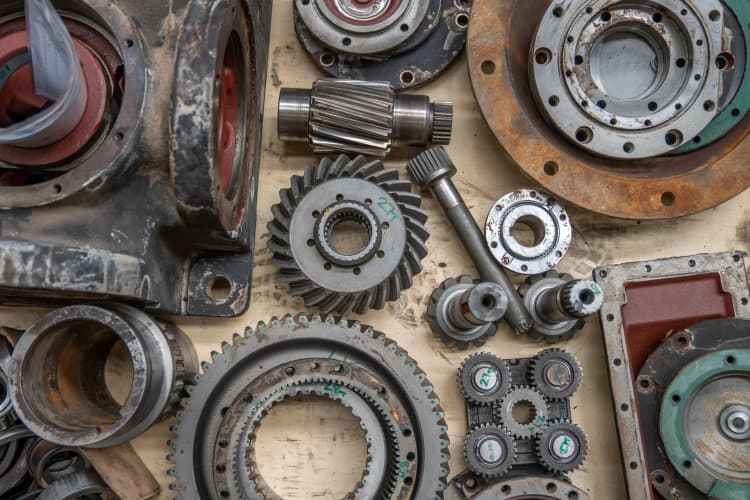
Industrial equipment manufacturers depend on original parts being used in service and maintenance. Non-OEM substitutes find their way into machines through customers cutting costs, through third-party service providers taking shortcuts, and sometimes through outright counterfeit supply chains. The consequences range from accelerated wear and premature failure to cascading damage and voided warranties. A field engineer arriving for a maintenance call has minutes to assess whether the machine in front of them contains the components it should — and today that assessment relies almost entirely on experience and memory. A mobile computer vision tool that can flag suspect components in seconds could make that check systematic rather than heroic. The bar for usefulness is lower than perfection. Even a confidence score that reliably flags blatantly non-OEM parts ("only 10% confident this is genuine") would already eliminate a large share of non-essential authenticity calls reaching OEM customer service. Full certainty is the ceiling, not the entry requirement. Problem Key questions to be answered in the project: Which visual features — markings, surface finish, geometry, colour, wear patterns — are most reliably discriminative between authentic parts and substitutes across different component types? How accurately can a mobile vision model identify suspect components under realistic field conditions: variable lighting, partial visibility, dirt, grease, and camera shake? How should the interface communicate confidence levels to a field engineer — particularly when confidence is low or the component is partially obscured — so that the tool informs rather than misleads? How can authentication be layered, level by level, so each layer raises confidence: visual geometry as a baseline, secure QR codes tied to the part's dimensions, markings invisible to the naked eye, smartphone-based 3D scanning, and packaging features (barcode placement and count)? How many reference images per component type are needed to train a model that generalises reliably to real-world variation in authentic parts? In this project we aim to... Build a mobile computer vision prototype that lets a user point their phone at a component and receive a confidence assessment of whether it is an authentic original part. Train and validate on generic, easily obtainable parts (e.g. off-the-shelf bicycle components photographed as authentic references against lookalike substitutes) — proving the approach without requiring physical OEM spares. A small set of OEM spare-part photographs serves as illustrative reference for what the industrial target looks like. Cover five to ten distinctive part types and optimise explicitly for realistic field conditions: poor lighting, partial views, and surface contamination. Design and evaluate a confidence communication interface that helps users act appropriately on both high- and low-confidence outputs. Once baseline confidence is established, explore the next authentication layers (QR-plus-geometry binding, invisible markings, packaging assessment) as a roadmap for hardening the system.
Apply by 27 Sept
Prague
Byte-powered Future
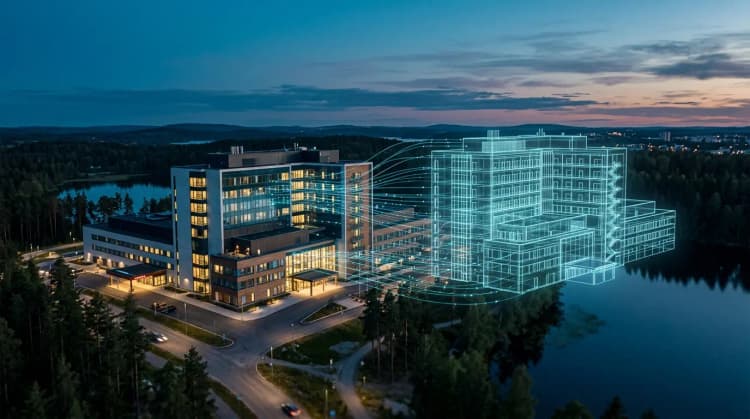
Wellbeing services counties are under continuous budget pressure, and real estate — hospitals, health centers, rehabilitation units, and other care facilities — is one of the largest cost items under review. We can see this clearly in Finland, as well as in other countries. Decisions about which facilities to keep, close, or consolidate are hard to make well, because they sit at the intersection of building costs, the services delivered at each site, how patients actually flow through the network, and the staff needed simply to keep a facility running. These factors are usually tracked in separate systems, if they are tracked in a comparable way at all, which makes trade-offs difficult to see and even harder to justify publicly. This topic was raised in a discussion with a wellbeing services county exploring how facility decisions are currently made and what a more structured, model-based approach could look like. Goal Prototype a digital twin of a wellbeing services county's real estate portfolio, and use it to run comparative scenarios that support a facility-level decision — for example: where are the largest cost-saving opportunities, and which facilities could be closed, consolidated, or kept, and on what basis. The emphasis is on the model and the scenarios it enables, not on visual or architectural fidelity. A structured, queryable representation of a facility is more useful here than a 3D render. Scope of the project Rather than modeling an entire real estate portfolio, the team should start from a single, concrete case: one facility being considered for consolidation, or a small comparison set of two to four facilities of different types (for example, a main hospital site, a health center, and a smaller specialized unit). A working model of one well-chosen case, tested against real scenario questions, is more valuable than a shallow model of everything. - Building a structured digital twin of the selected facility or facilities, covering space use, running costs, services offered, patient volumes, and staffing needs - Designing at least two comparable "what-if" scenarios (for example: consolidating one facility's services into another, or reducing opening hours at a given site) and showing their modeled impact side by side - Producing a working prototype — a dashboard, an interactive spreadsheet model, or a simple application — that a facility planner could use to explore further scenarios themselves
Apply by 27 Sept
Prague
Future of Work
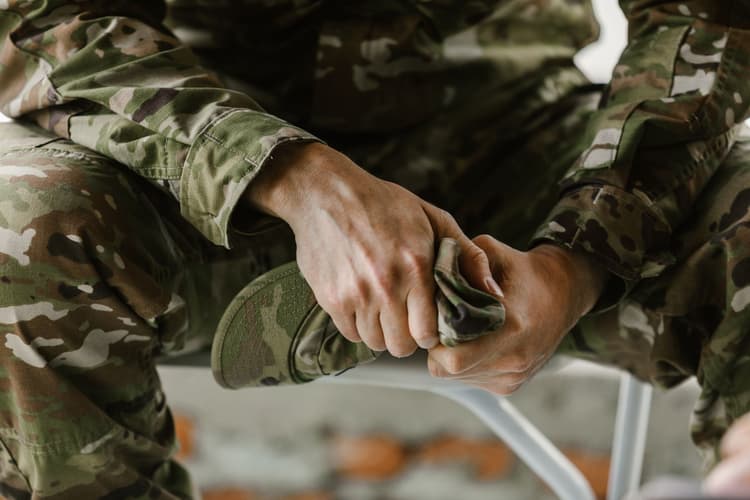
A soldier's physical and psychological state degrades under combat conditions in ways that are not always visible or self-reported. Chronic and acute stress exposure impacts decision-making, situational awareness, and long-term wellbeing — yet existing wearable solutions (measuring heart rate variability, skin conductance, or movement) are built for civilian wellness tracking, not for extreme, unpredictable combat environments, and typically provide retrospective insights rather than actionable, real-time intelligence. PROBLEM The military needs a new generation of wearable-enabled systems that move from passive physiological tracking to real-time stress and readiness intelligence. How might we design a wearable technology and data pipeline that: Measures stress and readiness reliably in extreme, real-world combat conditions Surfaces the minimum viable stress signal a soldier can act on without cognitive overload — e.g. via wrist display, audio cue, or haptic feedback Aggregates individual, anonymised data into a dynamic team readiness overview for a platoon leader Transforms raw physiological data into actionable, decision-relevant output — supporting both combat performance and long-term wellbeing in this project, the team will... work with synthetic or simulated physiological datasets to design the signal processing and threshold logic, and prototype the user interface for both the individual soldier view and the platoon leader view. The deliverable is a working prototype demonstrating the full pipeline — from sensor input to decision-relevant output.
Apply by 27 Sept
Oulu, Prague
Future of Work
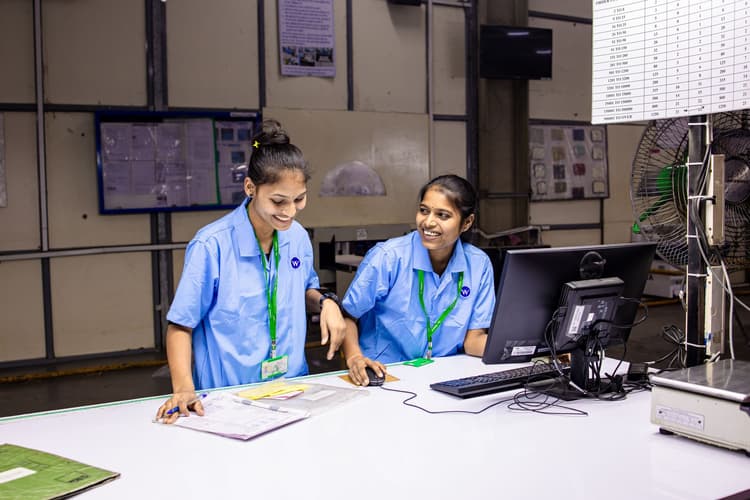
The Challenge Marine crews rotate. A new captain steps aboard a vessel they've never seen before. The previous captain spent six weeks getting to know the quirks of this specific ship — which cylinder always runs slightly hot, which fuel pump is finicky, which weather the engine room copes badly with. The handover is a brief in-person walkthrough plus a stack of paperwork, and then the new captain sails. Worse: expert advice given to one crew ("your equipment is acting strange — probably because of this") often never reaches the next one. At its core this is a communication problem — how do we make sure crucial information survives the handover? Handing the new crew a 20-page report and trusting they read it is not the answer. The same failure mode exists in any shift-rotation environment, from process plants to hospital shift changes. The Data The briefing draws on two layers. Static data: what is on board — equipment inventory, engine type and surrounding subsystems, reference materials and manuals (every vessel is different: a cargo vessel and a bulk carrier may share almost nothing, so "here is where to find the manual for this system" is already valuable). Dynamic data: what has happened — logbook entries, alerts and incidents from navigational and automation subsystems, and known-but-not-yet-resolved issues flagged by remote experts analysing the vessel's data in the cloud. Mission Build a crew-handover briefing generator, in phases. Start with the static layer: compile "here is what you're taking over" — equipment, reference links, manuals — into a single structured onboarding briefing, everything in one place. Then layer in the dynamic history: compress the most important crew-relevant patterns, incidents and open expert advisories into a briefing the incoming crew will actually absorb. Design the ingestion interfaces to be document-agnostic, so nothing in the pipeline depends on maritime data standards — the same engine should brief a hospital shift as easily as a ship's crew. Test the briefing format with experienced operators for clarity, trust and adoption. Why we suggest this Rotating crews lose institutional knowledge at every handover. Compressed, AI-generated briefings tailored to the specific equipment a new crew is taking over solve a problem that exists in any shift-rotation industry — vessels, process plants, hospitals, security operations. Underexplored as a product area. *Project will use AI-generated synthetic operational histories; anonymised real handover/incident report examples from the partner serve as a reference for structure and content.*
Apply by 27 Sept
Oulu, Prague
Healing the Planet
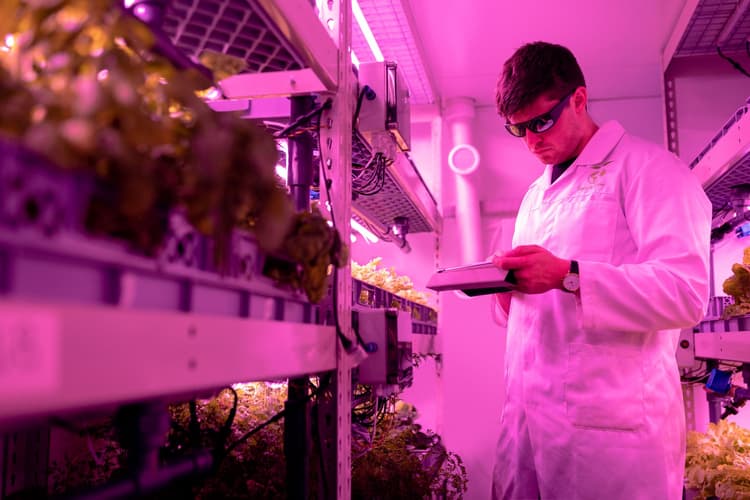
The Challenge Industrial service providers do clever technical work to make their customers' operations more efficient — saving fuel, reducing emissions, extending equipment life. But the customer in many cases is a corporate sustainability office or a shipping company's investor relations team. They don't speak in compression ratios and exhaust gas temperatures; they speak in CO2 tonnes, ESG ratings and regulatory compliance. Today, translating engineering wins into customer-facing sustainability narratives is a slow, manual, expensive job. Can AI do it automatically and credibly? Mission Build a system that takes engineering-level efficiency improvements (fuel saved, emissions reduced, equipment life extended) and generates customer-facing narratives at multiple audiences: ESG report contribution, investor relations talking points, regulatory compliance evidence. Validate the narratives for accuracy with engineers and for resonance with sustainability professionals. Why we suggest this The translation layer between engineering metrics and customer-facing sustainability narratives is a manual cottage industry across the industrial sector. Decarbonisation services and ESG reporting are fast-growing revenue areas; the supporting communications infrastructure is not. Strong cross-portfolio applicability across any B2B sustainability services business. *Project will use AI-generated synthetic engineering improvement data and publicly available ESG reporting frameworks.*
Apply by 27 Sept
Oulu, Prague
Byte-powered Future
Background When physical equipment misbehaves, its users face an uncomfortable choice: call an expert, or muddle through on their own. Calling an expert is expensive and slow — scheduling, travel and minimum call-out fees add up even when the fault turns out to be trivial. Muddling through risks making things worse, and can cross lines that void warranties or insurance ("open that screw and the warranty is gone"). Between these two options sits a middle ground: a guided diagnostic companion that gives users enough structured support to resolve straightforward issues themselves, stay safely inside the boundaries of what they are allowed to touch, and escalate intelligently when the problem is beyond their reach. That an LLM can extract troubleshooting steps from an unstructured manual is no longer the question — of course it can. The question is *repeatable, constant quality*: the same fault must produce the same verified guidance every time. A promising pattern: the system drafts step-by-step procedures from the manual, an asset expert verifies the draft, and the verified draft becomes a fixed instruction set the AI then follows — combining LLM flexibility with expert-controlled reliability. On top of the official manual sits a second layer worth capturing: the experiential knowledge of seasoned technicians ("give it a light knock before opening that screw, it comes loose easier"). To keep the focus on this hard problem rather than on learning how industrial machinery works, the project is deliberately set on a familiar class of physical assets — home appliances such as dishwashers, washing machines or AC units— as a stand-in for industrial equipment. The mechanics transfer directly to industrial field service. Problem Key questions to be answered in the project: - How can an LLM-based guide produce repeatable, constant-quality troubleshooting from unstructured manuals — same fault, same steps, every time? - What does the expert-verification workflow look like in practice: how are drafted procedures reviewed, locked as instruction sets, and kept up to date? - How should the interface communicate safe boundaries — what the user may and may not touch, where warranty and insurance limits run — without frustrating the user, while actively preventing harmful interventions? - How can experiential technician knowledge be captured and layered on top of official manuals? - What happens when the user gets stuck mid-procedure (step 4 fails)? How does the system genuinely take that feedback into account — re-plan, offer alternatives, or escalate to a human — rather than repeating itself? In this project we aim to... - Build a guided troubleshooting prototype for a familiar physical asset (e.g. a household appliance), driven by its real user and service manuals. - Implement and evaluate the draft → expert verification → fixed instruction set pipeline, measuring repeatability and guidance quality across repeated runs of the same fault. - Design the boundary and escalation model (safe vs. restricted interventions, when to hand over to a professional) and the mid-procedure feedback loop.
Apply by 27 Sept
See how Demola has helped students around the world succeed in their careers and personal lives.

Master’s Degree student in Research and Innovation in Higher Education
Excellent

20/04/2023
“I enjoy connecting with other people who are not from the same area and field, and creating new things. I think Demola is a very great platform and, since I’m interested in education, I think this is a great idea to help students and other people to learn in a different way and to be closer to the work life.”

Master’s Student in Public and Global Health
Excellent
20/04/2023
“I joined Demola for the third time already, since I enjoy how my personal skills are developing here and I love the feeling of freedom of thoughts, to be able to think, feel and express anything.”

Master’s Student in Sustainable Digitalisation
Excellent
20/04/2023
“I wanted more experience in interdisciplinary project work and real-life, tangible development of solutions with external stakeholders. I also wanted to practice what the design process is like in the real world and how to present novel ideas in an attractive, business- oriented way. And Demola delivered!”
Master’s Degree Student in Engineering and Technology
Excellent
10/06/2022
“In Demola we focused on creating solutions that can and should be applicable and should happen in real life, concrete and implementable solutions that can have an impact. Those type of solutions that go way beyond than just making a new website or a nice social media page.”

Master of Business
Excellent
17/04/2023
“If you have successfully completed the Demola project, it is proof of your passion and that your mindset is inevitably customer-oriented. Demola is definitely an experience I can recommend to all students.”
Get the information you need with our comprehensive list of FAQs below:
Where can I stay up-to-date on the new projects and events?
Will I get my Demola certificate automatically after finishing the project?
I got accepted! What's next? How can I find my teammates?
What do the project's final results look like? What are the evaluation formats?
How much time should I prepare for Demola project?
Do you have any questions about Demola? See our help center
Join Demola and work on career-relevant projects with global impact.